Hardwood Flooring in Florida Homes: Types of Wood, Installation, Finishes, Sizes & Design Options
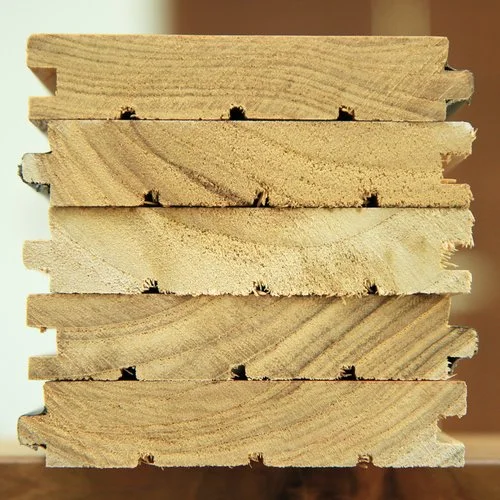
HARDWOOD FLOORING
Hardwood flooring remains one of the most desired features in a home renovation. It brings warmth, character, and long-term value — but in Florida, choosing the right wood, installation method, and finish is essential for performance and longevity.
At MULTTI Construction, we help homeowners across Central Florida make informed decisions about hardwood flooring that balance beauty, durability, and climate realities.
Hardwood Flooring in Florida: What Makes It Different
Florida’s climate presents unique challenges:
Higher humidity levels
Seasonal temperature changes
Moisture migration from slabs and subfloors
Because of this, hardwood flooring in Florida requires careful material selection, proper acclimation, moisture control, and professional installation. Skipping these steps often leads to cupping, gaps, or long-term damage.
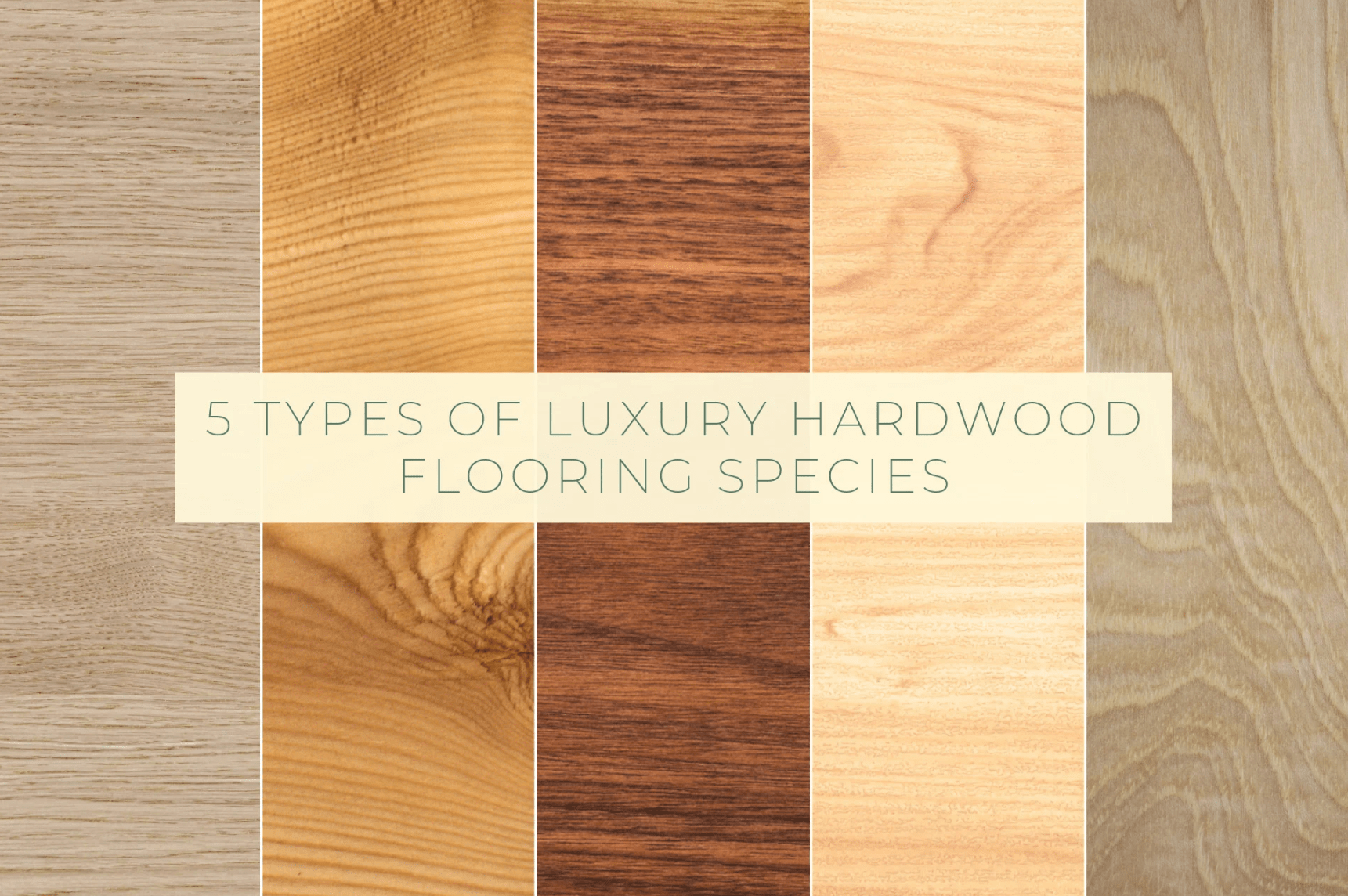
Which one is the best for my project:
Oak, Maple, Hickory, Walnut or Cherry?
Why MULTTI prefer Euro-Grade top quality woods to work with?
Types of Wood for Hardwood Flooring
Each wood species has its own grain pattern, hardness, and personality. Choosing the right one depends on traffic level, design goals, and maintenance expectations.
Custom Standard Quality typically focuses on solid craftsmanship with widely used construction methods and materials. It offers good performance, reliable finishes, and flexibility in design, making it a practical option for many homes. This level is well-suited for projects where functionality, budget control, and traditional construction standards are the priority.
Euro-Grade Quality, on the other hand, emphasizes precision engineering, advanced materials, and refined manufacturing standards. It often includes tighter tolerances, superior surface finishes, enhanced moisture resistance, and long-term performance advantages. Euro-grade products are designed for consistency, longevity, and a more refined aesthetic, making them ideal for high-end renovations or spaces where durability and design detail matter most.
Oak (Red & White)
Timeless and versatile
Excellent durability
Takes stain well
Ideal for most areas of the home
Oak is one of the most reliable choices for Florida homes.
Maple
Smooth, clean grain
Modern appearance
Slightly harder than oak
Best for contemporary interiors
Maple works well in low-to-moderate traffic areas.
Hickory
Extremely hard and durable
Strong color variation and rustic character
Ideal for active households
Hickory is a great option for high-traffic living spaces.
Walnut
Rich, dark tones
Elegant and refined
Softer than other hardwoods
Best suited for bedrooms or formal living areas where visual impact matters more than heavy wear.
Best Type of Wood by Area of the Home
Living rooms & hallways: Oak or hickory
Bedrooms: Oak, maple, cherry or walnut
Dining rooms: Oak or engineered hardwood
Whole-home flooring: Engineered hardwood with stable cores
Bathrooms, laundry rooms, and other wet areas are not recommended for hardwood.
Hardwood Plank Sizes & Widths
Hardwood flooring comes in various plank sizes, each affecting the look of the space.
Narrow Planks (2”–3”)
Traditional and classic
Hide movement better
Ideal for smaller rooms
Wide Planks (5”–9”)
Modern and open feel
Fewer seams
Require precise installation and moisture control
Wider planks are popular in open-concept Florida homes but demand professional prep.
Hardwood Patterns & Layout Options
Hardwood flooring doesn’t have to be straight-laid.
Popular patterns include:
Straight lay (classic and clean)
Diagonal layouts
Herringbone and chevron (design-forward and precise)
Border or feature inlays
Pattern choice affects installation complexity, waste factor, and final cost.
Right Steps to Install Hardwood Flooring
Professional installation follows a structured process:
Subfloor inspection and leveling
Moisture testing and vapor barrier installation
Wood acclimation to the environment
Layout planning and expansion gap design
Proper fastening or adhesive method
Clean transitions and trim detailing
Skipping or rushing any of these steps compromises performance.
Hardwood Finishing Options by Wood Type
The finish protects the wood and defines its final appearance.
Oil-Based Finishes
Warm tone
Deep penetration
Longer curing time
Water-Based Finishes
Faster drying
Clear, natural look
Low VOC
Pre-Finished vs Site-Finished
Pre-finished: Factory consistency, faster install
Site-finished: Seamless look, customizable sheen
Different wood species react differently to stains and finishes — professional testing is key.
Maintenance & Long-Term Care
Hardwood floors require simple but consistent care:
Regular sweeping or vacuuming
Protective pads under furniture
Controlled indoor humidity
Timely refinishing when wear appears
With proper maintenance, hardwood floors can last decades.
The MULTTI Approach to Hardwood Flooring
At MULTTI Construction, hardwood flooring is never treated as just a surface.
We:
Evaluate moisture and subfloor conditions
Recommend wood species based on lifestyle and climate
Plan layouts, plank direction, and transitions
Use proper underlayment and finishing systems
Every detail is planned before installation begins.
Ready to Start Your Renovation?
Hardwood flooring adds lasting beauty and value when done right — especially in Florida homes.