Plumbing During a Bathroom Renovation: What Homeowners Need to Know
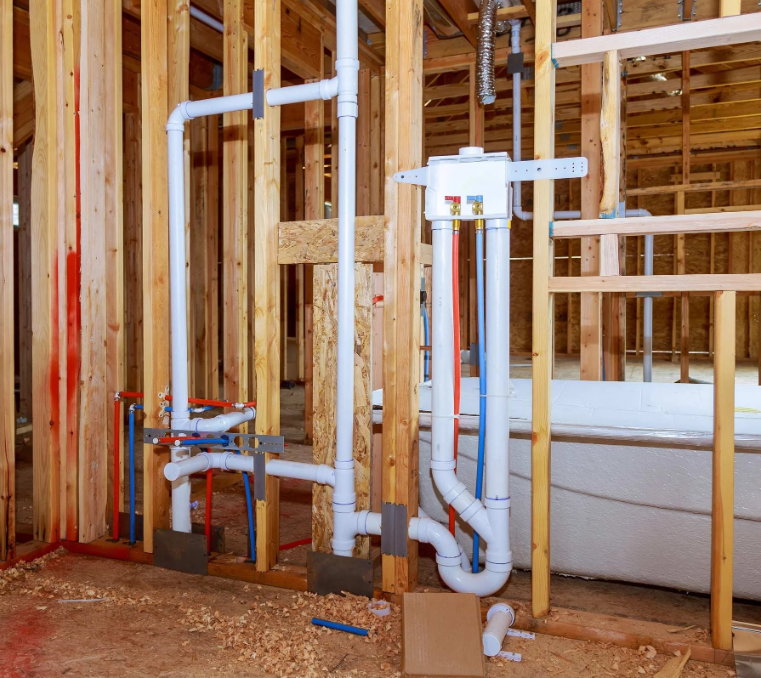
HALF BATH TO FULL BATHROOM CONVERSIONS
Plumbing is the most critical part of any bathroom renovation — especially when you’re adding a shower to an existing half bathroom. While finishes like tile and fixtures get most of the attention, the success of the project depends on how well the plumbing is planned, installed, and inspected.
For many homeowners, plumbing feels intimidating because most of the work is hidden behind walls and under floors. This article explains, step by step, what happens during a shower addition to a half bath, what to expect, and what you should know before work begins.
At MULTTI Construction, we believe informed homeowners make better renovation decisions — and avoid costly surprises.
What Does It Mean to Add a Shower to a Half Bathroom?
People often think that having a shower on the first floor would be great. For functional purposes or for accessibility, this idea often cross homeowners mind.
A half bathroom typically includes:
A toilet
A vanity or sink
Adding a shower transforms it into a full bathroom, which requires new plumbing infrastructure, not just cosmetic changes.
This type of renovation involves:
New water supply lines
New drain and vent connections
Proper waterproofing coordination
Code compliance and inspections
It’s one of the most plumbing-intensive bathroom upgrades you can do.
Step 1: Plumbing Evaluation Before Any Work Begins
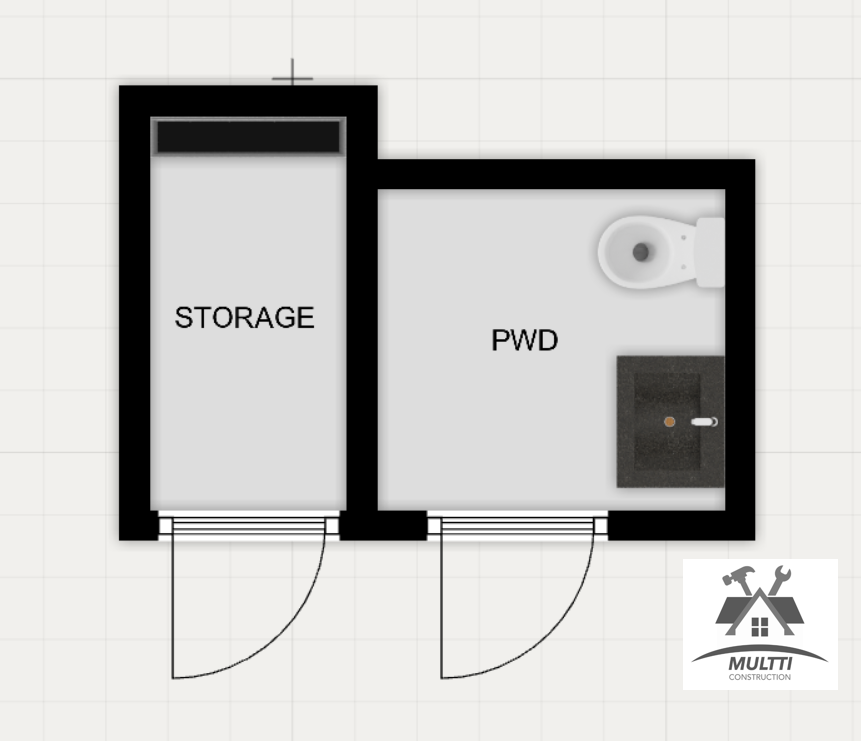
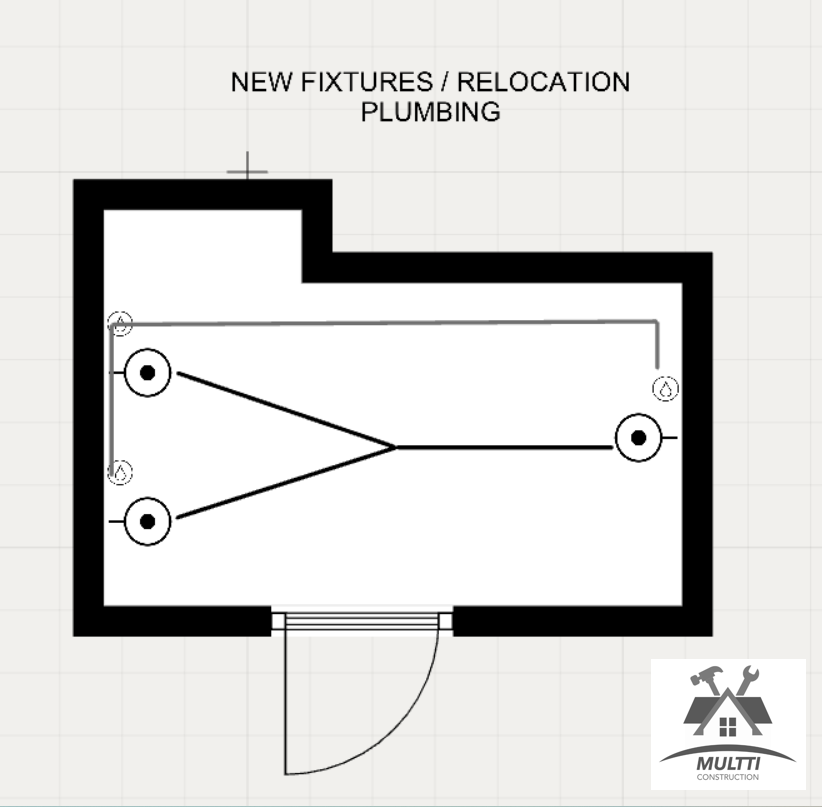
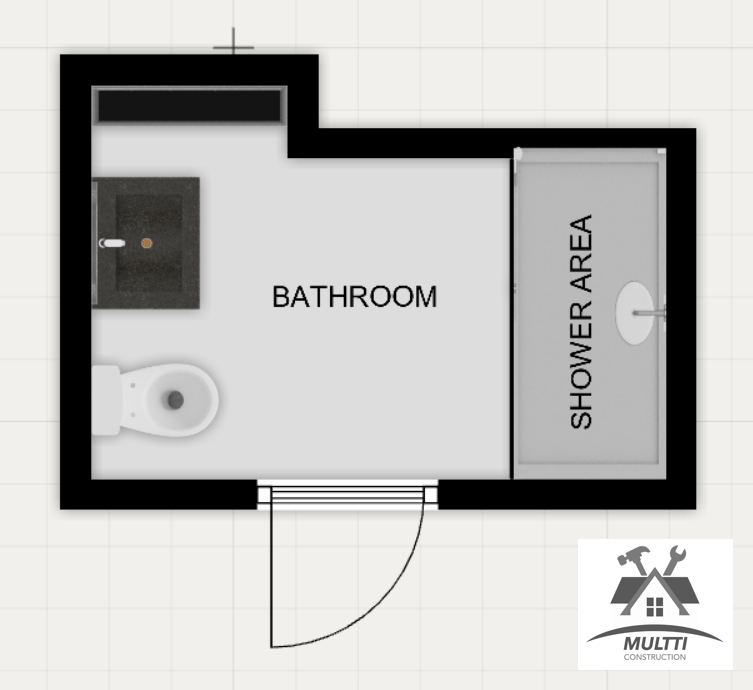
Before demolition, a professional plumbing review is essential.
What Gets Evaluated
Existing water supply lines (material and condition)
Drain line location and size
Venting availability and compliance
Slab or subfloor type (concrete slab vs raised floor)
Distance to main drain and vent stack
This evaluation determines what is possible, what is required, and how complex the work will be.
Step 2: Extending Water Supply Lines for the Shower
A shower requires both hot and cold water supply.
What This Involves
Tying into existing water lines
Running new supply lines inside walls
Installing a shower mixing valve
Positioning the valve at proper height and depth
Older homes may have outdated piping that should be replaced during this phase to avoid future failures.
Step 3: Creating a New Shower Drain Connection
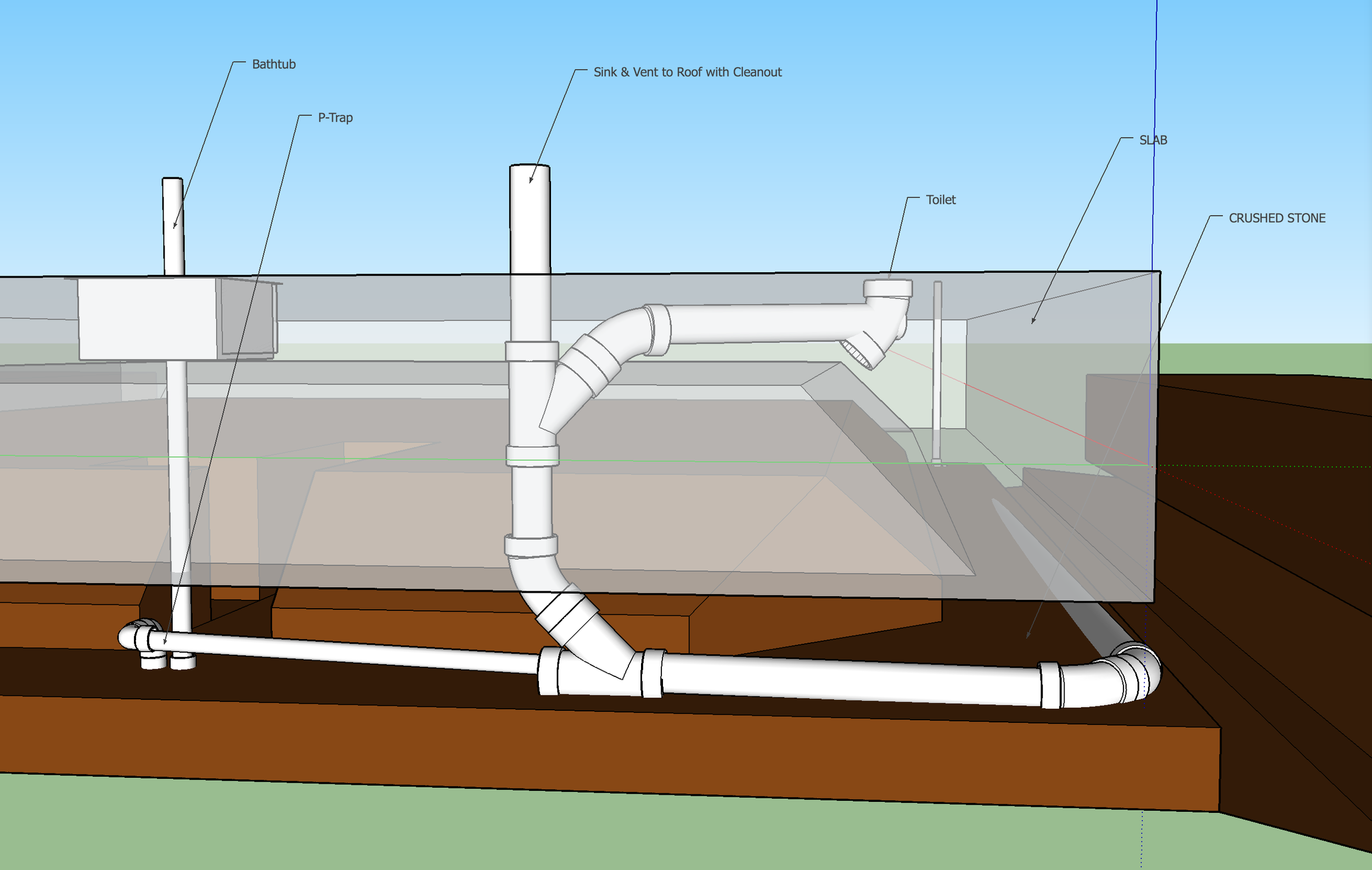
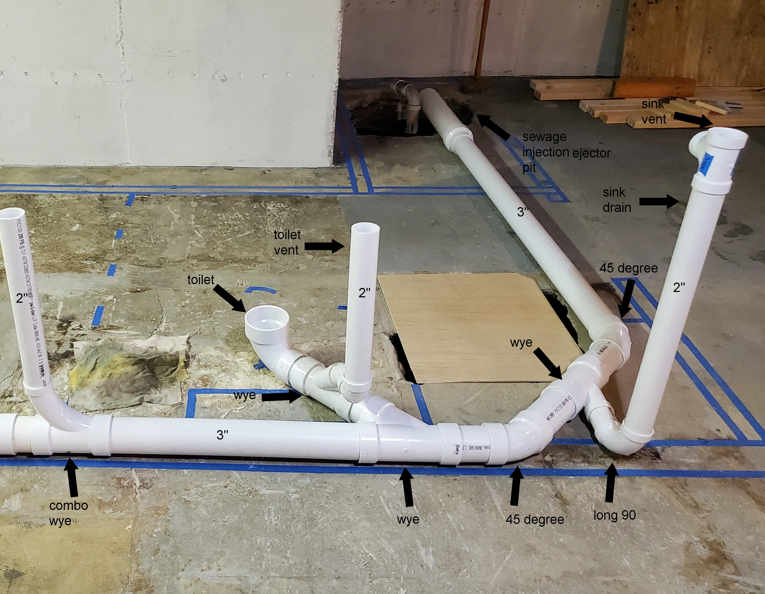
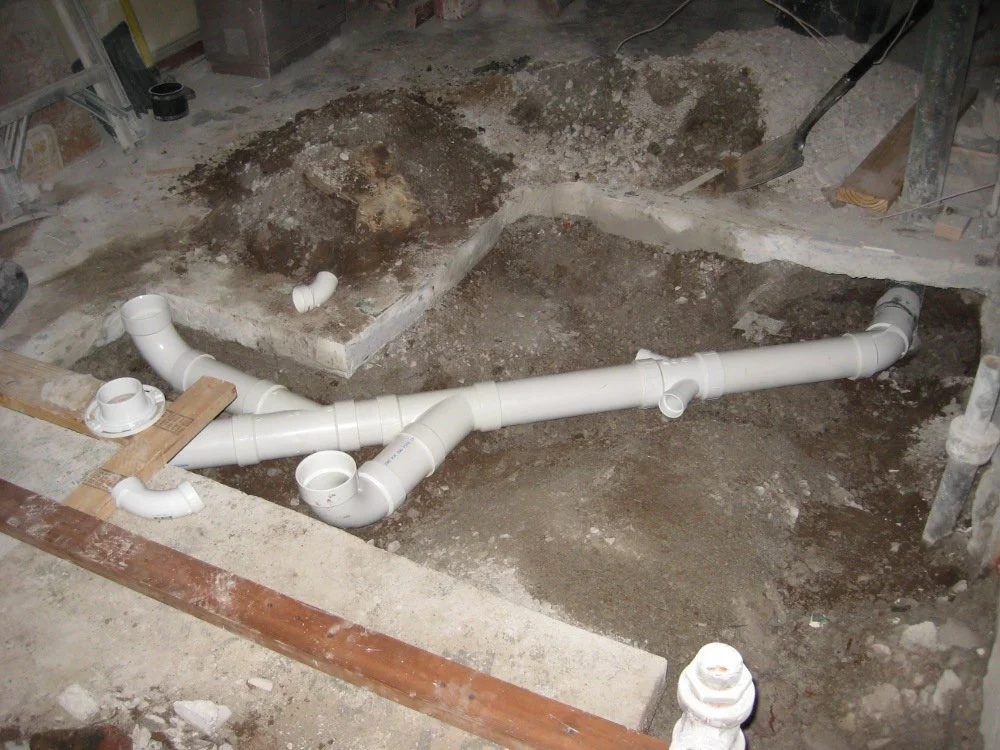
This is often the most complex part of the project.
Drain Work Includes
Cutting and accessing the slab (for slab homes)
Installing a new shower drain line
Ensuring proper slope for drainage
Connecting to the main drain system
Improper drain slope or connections can cause standing water, slow drainage, or long-term leaks — which is why this step must be done precisely.
Step 4: Venting the Shower Plumbing (Critical for Code Compliance)
Every plumbing fixture must be properly vented.
Why Venting Matters
Prevents sewer gases from entering the home
Allows drains to flow properly
Required by Florida plumbing code
Adding a shower often requires:
Extending an existing vent
Connecting to a nearby vent stack
Installing new vent piping in walls or attic spaces
This is not optional — it’s a safety and code requirement.
Step 5: Permits & Inspections (What Homeowners Should Expect)
Because this project involves:
New plumbing lines
Drain and vent modifications
Converting a half bath to a full bath
➡️ Permits and inspections are typically required.
What Inspections Cover
Rough plumbing (before walls/trench are closed)
Proper pipe sizing and slope
Vent connections
Code compliance
At MULTTI, we handle permit coordination and inspection scheduling so homeowners don’t have to navigate it alone.
Step 6: Coordinating Plumbing With Waterproofing & Tile
Plumbing doesn’t work in isolation.
Shower plumbing must be perfectly coordinated with:
Shower pans and slopes
Valve seals and penetrations
Poor coordination between plumbing and waterproofing is one of the leading causes of shower failures.
Step 7: Installing Shower Fixtures
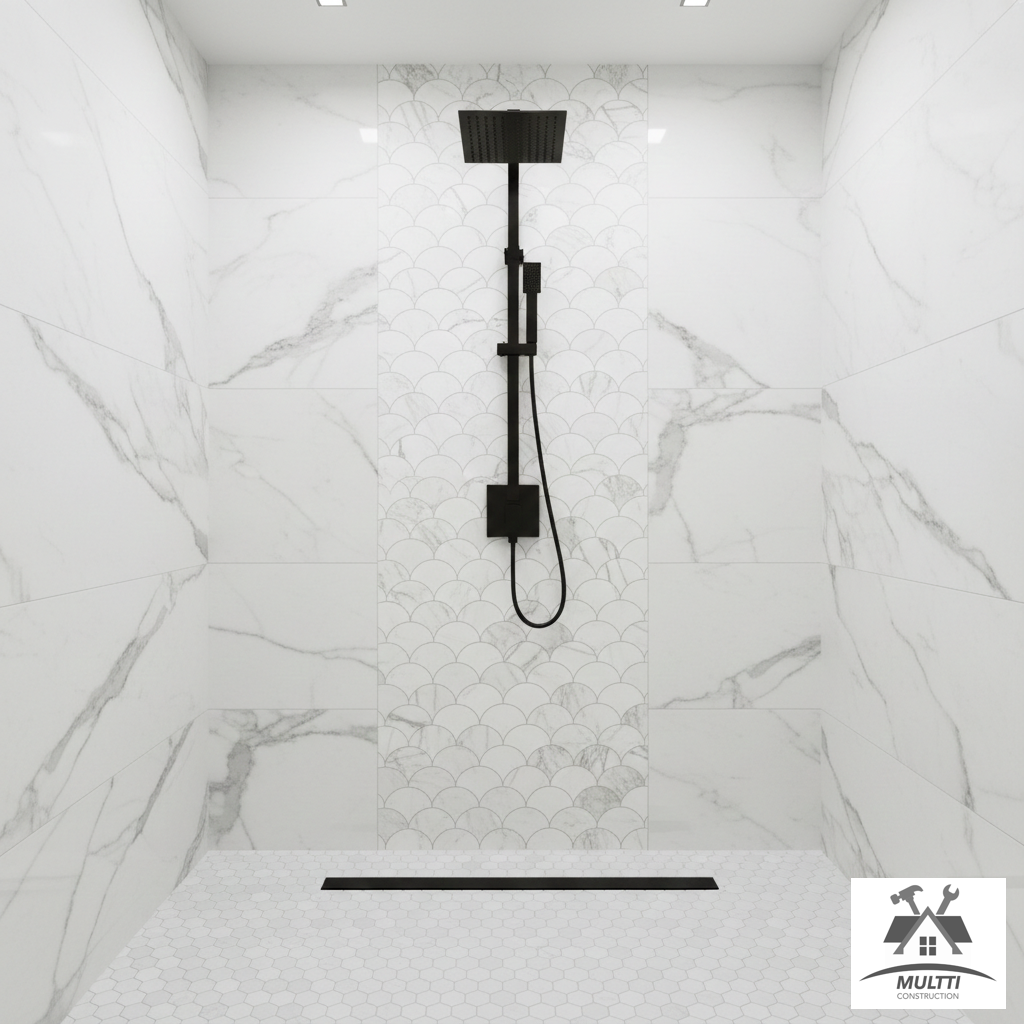
Once walls and tile are complete, final fixtures are installed.
This includes:
Shower trim and handles
Shower head and arm
Tub spout (if applicable)
Pressure and temperature testing
Proper installation ensures:
Correct water pressure
No leaks behind finished walls
Long-term performance
Florida-Specific Plumbing Considerations
In Florida homes, plumbing work must also account for:
High humidity and moisture control
Hard water conditions
Slab construction challenges
County-specific code enforcement
These factors make professional planning even more important when adding a shower.
Common Mistakes Homeowners Should Avoid
When adding a shower to a half bath, avoid:
Skipping plumbing evaluation
Underestimating slab and drain work
Reusing old plumbing components
Hiring contractors who cut corners on permits
Choosing fixtures before plumbing layout is finalized
Plumbing mistakes are expensive to fix after tile is installed.
How MULTTI Handles Plumbing for Shower Additions
For most bathroom renovation, a plumbing permit it’s not required, as we don’t need to change layout, install new fixtures, reroute pipes and etc. But for PWD to full bathroom conversion, plumbing is the most important part of the work, and we count with professional and reliable people to take good care of that part to follow code compliant work and guarantee functionality of the existing system.
If you don’t do it right, you may disrupt the water-pressure for the whole house, or have leaking problems in the future.
At MULTTI Construction, shower additions follow a structured process:
Detailed plumbing assessment during the estimate process
Code-compliant design
Professional rough-in and inspections
Coordination with waterproofing and tile
Final testing and verification
Our goal is not just a finished bathroom — but a plumbing system that performs reliably for years.
Ready to Start Your Renovation?
Adding a shower to a half bathroom is a major upgrade — and when done right, it significantly increases comfort and home value.